Understanding the Threat: WannaCry Ransomware
In May 2017, the world witnessed one of the most widespread and damaging cyberattacks in history—the WannaCry ransomware outbreak. Exploiting a known vulnerability in Microsoft Windows’ Server Message Block (SMB) protocol, WannaCry spread rapidly across networks, encrypting critical data and demanding ransom payments of $300–600 in Bitcoin.
More than 230,000 systems in over 150 countries were compromised before a kill switch was accidentally triggered, halting the initial wave of infections.
Key aspects of the WannaCry attack include:
- Propagation Method: WannaCry utilized EternalBlue, an exploit reportedly leaked from the NSA, to automatically spread across unpatched systems without user interaction. It moved laterally from one device to another with alarming speed.
- Global Impact: High-profile victims included the UK’s National Health Service (NHS), major manufacturers, and corporations around the globe—resulting in billions of dollars in losses.
- Importance of Timely Patching: Microsoft had issued a patch (MS17-010) two months prior to the attack. However, many organizations had failed to apply it, leaving them vulnerable.
- Ineffective Ransom Payments: In many cases, victims who paid the ransom never received decryption keys, further highlighting the unreliability and risks associated with ransomware recovery through payment.
Bastion Cyber 2.0: A Game-Changer in Cyber Defense
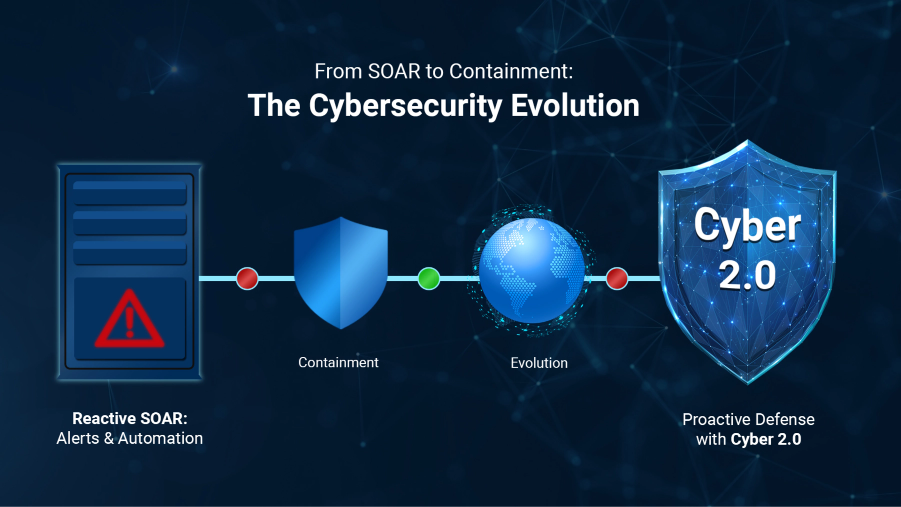
Cyber 2.0 represents a bold shift in the cybersecurity landscape by prioritizing containment and prevention of attack propagation—rather than simply detecting threats. At the heart of its innovation is a mathematical chaos model that creates a dynamic, unpredictable network environment, making it nearly impossible for malware to navigate or spread.
Key capabilities of Cyber 2.0 include:
- Immediate Isolation of Infected Systems: If a breach occurs, the compromised machine is instantly contained. This prevents the malware from moving laterally across the network.
- Prevention of Data Exfiltration: Cyber 2.0 ensures that an infected computer cannot transmit data outside the organization, even if the infection existed before the system was installed.
- No Dependence on Signature Databases: Unlike traditional antivirus software, Cyber 2.0 doesn’t rely on known threat signatures, making it highly effective against zero-day attacks and unknown malware variants.
- Persistent Protection: The system continues to protect the network even if the Cyber 2.0 agent is tampered with, bypassed, or removed—a critical feature that ensures ongoing security.
Real-World Demonstration: Cyber 2.0 vs. WannaCry
The video “Cyber 2.0 vs. WannaCry” offers a side-by-side demonstration of how Cyber 2.0 technology responds to a real WannaCry ransomware attack. A computer with Cyber 2.0 installed in Monitor Mode is shown, which allows the ransomware to encrypt files and spread freely—demonstrating how a typical unprotected system behaves. The same ransomware is executed on a system running Cyber 2.0 in Defense Mode.
In Defense Mode, Cyber 2.0 immediately intervenes. The ransomware attempt is detected based on unauthorized behavior—not through malware signature recognition. As soon as the attack begins, the system blocks the ransomware from accessing or modifying other files or machines. The infected computer is isolated from the rest of the network, and any attempt to communicate with external systems is blocked. This prevents lateral movement, halting the ransomware’s spread entirely.
This real-world simulation highlights the core strength of Cyber 2.0: its mathematical chaos model, which creates an unpredictable and dynamic environment that malware like WannaCry cannot navigate. Even if a machine is compromised, Cyber 2.0 ensures that no other system in the network is affected. The infected computer essentially becomes a digital dead-end.
The demo is visually powerful—it reinforces how Cyber 2.0 protects not just through detection, but by blocking propagation, ensuring that a single point of failure doesn't compromise the entire organization.
📺 Watch the full video here: https://www.youtube.com/watch?v=6sOM0YZXi6I
Implications for Organizational Security
Cyber 2.0 offers a compelling solution to one of cybersecurity’s most urgent challenges: the rapid spread of ransomware. By focusing on containment, rather than detection or response alone, it dramatically reduces potential damage, downtime, and financial loss during an attack.
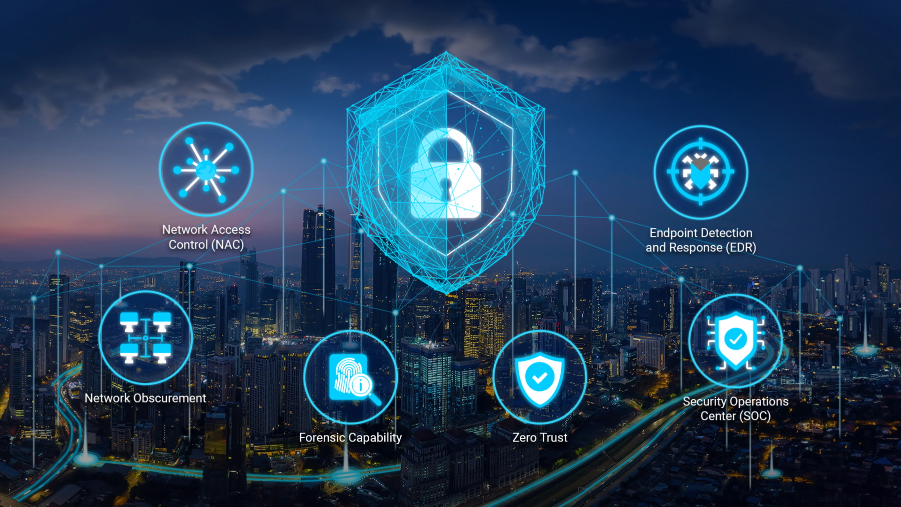
Moreover, Cyber 2.0’s architecture aligns with zero trust principles, promoting continuous verification, strict access controls, and minimal reliance on trust assumptions. As organizations evolve to face more sophisticated threats, Cyber 2.0 positions itself as a vital tool for securing both IT and OT environments in a proactive, resilient, and future-proof manner.
Let’s Talk, If you want to explore how Bastion Inc. can help secure your organization with proactive, modern cybersecurity like Cyber 2.0—let’s connect.
📩 Send us a message or visit www.bastion.inc for more details.
📰 Stay informed in today’s fast-moving digital world—You can join our Viber community by clicking the link or scanning the QR code below!
https://tinyurl.com/BASTIONCYBERCONNECT