Every cybersecurity headline starts with a breach. But what many don't talk about is how those breaches actually begin.
The truth is, not every cyberattack starts with a big bang. Some begin with small cracks—overlooked vulnerabilities that go unnoticed until attackers quietly turn them into something far more damaging.
Let’s walk through 5 real-world security gaps that show how attackers escalate simple issues into major threats—and what we can do to stop them.
1. A Redirect That Leaked AWS Credentials
A home-moving app hosted on AWS had a subtle Server-Side Request Forgery (SSRF) vulnerability. Attackers redirected a webhook to AWS's internal metadata service, extracting credentials.
What went wrong? The app blindly followed redirects. Worse, it didn’t enforce IMDSv2—a security standard that could’ve blocked this entirely.
Takeaway: Cloud misconfigurations don’t scream for attention. They whisper—and by the time they're heard, attackers are already deep inside.
2. An Exposed .git Repo That Led to a University’s Database
A public Git repo exposed hidden parameters that bypassed login. Once in, attackers found a blind SQL injection vulnerability. One small misstep escalated to full database access.
Takeaway: Version control missteps may seem low priority, but source code exposure can unravel your entire security model.
3. Metadata Vulnerability Led to Remote Code Execution
A document-signing app used a known vulnerable version of ExifTool. By embedding a payload into a PDF, attackers executed remote code on the server.
Takeaway: Legacy dependencies can become open doors. If you're not validating every piece of software you rely on, you’re risking a breach.
4. A Low-Risk Self-XSS That Became a Full Account Takeover
A reflected HTTP header seemed harmless—until paired with a cache poisoning flaw. The result? A persistent XSS that hijacked user sessions across the entire site.
Takeaway: Two “low-risk” issues, when chained together, can cause high-impact breaches. Attackers think in chains. Are you testing in chains?
5. Just Changing a Number to Access Sensitive Data
Attackers found insecure API endpoints (a classic IDOR vulnerability). With nothing more than changing a user ID in a URL, they accessed job applications, order histories, even internal user settings.
Takeaway: If your API isn’t verifying who’s allowed to access what, it’s an open book.
So, What Can We Learn From All of This?
Breaches don’t start with malware. They start with:
- A forgotten endpoint
- A missed configuration
- An unused tool left running
- A security control that assumes too much
Attackers don’t need to break down the door. They just jiggle the handle until it opens.
Why Continuous Discovery and Containment Matters
Modern cyberattacks rely on finding one weak spot and moving fast. That’s why businesses need tools that:
✅ Continuously discover assets & unknown exposures
✅ Contain threats even before detection tools react
✅ Block lateral movement so a tiny breach doesn’t become a big one
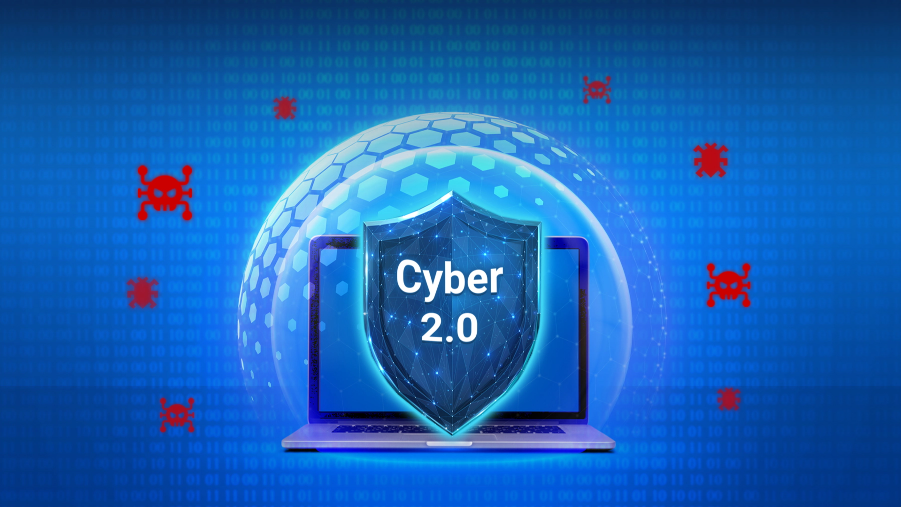
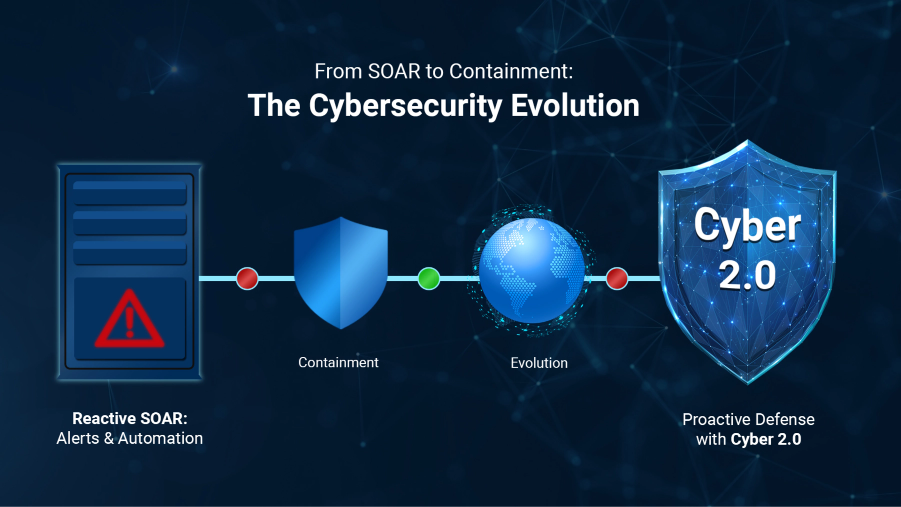
This is where containment-first solutions like Cyber 2.0 play a powerful role.
While traditional tools focus on detection and alerts, Cyber 2.0 is designed to stop attackers from gaining a foothold—no signatures, no updates required.
Final Thought
These stories remind us that cybersecurity isn’t just about catching threats—it’s about knowing where your cracks are, and stopping attackers before they can squeeze through.
You don’t need a hundred security tools—you need the right ones. Ones that think like an attacker, but act faster.
Let’s stop breaches where they start.
Let’s Talk, If you want to explore how Bastion Inc. can help secure your organization with proactive, modern cybersecurity like Cyber 2.0—let’s connect.
📩 Send us a message or visit www.bastion.inc for more details.
📰 Stay informed in today’s fast-moving digital world—You can join our Viber community by clicking the link or scanning the QR code below!
https://tinyurl.com/BASTIONCYBERCONNECT

References
BleepingComputer. (2025, April 10). Hackers target SSRF bugs in EC2-hosted sites to steal AWS credentials. https://www.bleepingcomputer.com/news/security/hackers-target-ssrf-bugs-in-ec2-hosted-sites-to-steal-aws-credentials/
CUPC4K3. (2023, July 8). Git Exposed - How to Identify and Exploit. Medium. https://medium.com/stolabs/git-exposed-how-to-identify-and-exploit-62df3c165c37
Hackers-Review. (2021, May 7). Vulnerability in ExifTool Allows Remote Code Execution. https://www.hackers-review.net/2021/05/vulnerability-in-exiftool-allows-remote.html
Ch3ckM4te. (2020, April 18). Self XSS to Account Takeover. Medium. https://medium.com/@Ch3ckM4te/self-xss-to-account-takeover-72c89775cf8f
OWASP. (n.d.). Insecure Direct Object Reference Prevention Cheat Sheet. OWASP Cheat Sheet Series. https://cheatsheetseries.owasp.org/cheatsheets/Insecure_Direct_Object_Reference_Prevention_Cheat_Sheet.html