Is Your Business Really Ready for Crisis Or Just Hoping It Is?
Many organizations discover the truth too late. On paper, they have continuity plans. But when crisis hits, the gaps show and the costs add up fast.
Crisis doesn’t wait for your team to find the plan binder or confirm the next steps. It demands speed, clarity, and coordination—qualities that only surface when readiness is practiced, not presumed.
The Silent Risk of Being “Technically Ready” but Operationally Unprepared
Surveys show a concerning gap between planning and practice. While over 90% of large organizations have some form of Business Continuity Plan, fewer than 49% conduct regular crisis simulations involving leadership teams, according to Continuity Insights’ 2023 report. The risks compound when systems haven’t been updated, drills are irregular, and teams lack familiarity with roles or escalation paths. Even with robust documentation, the absence of situational training means critical seconds are lost to confusion, delayed communication, and indecision.
A Changing Risk Landscape Demands Smarter Crisis Exercises
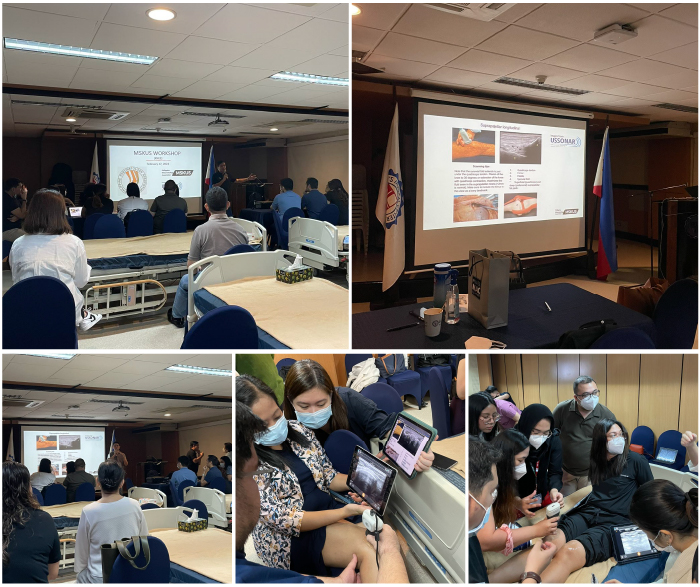
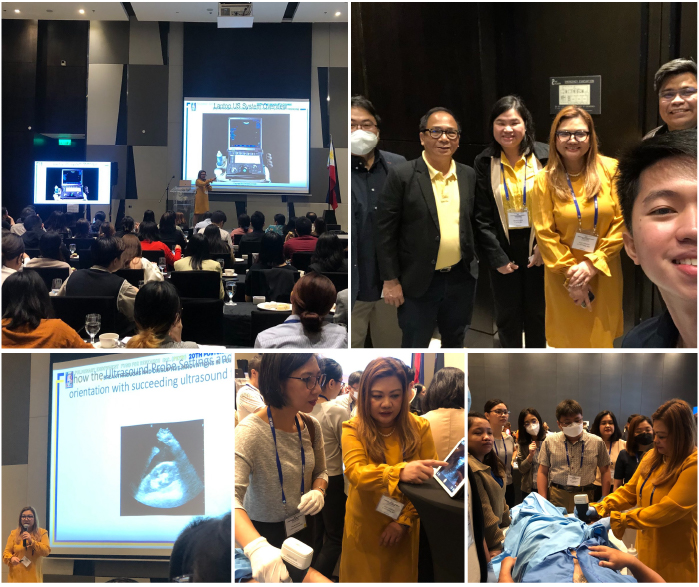
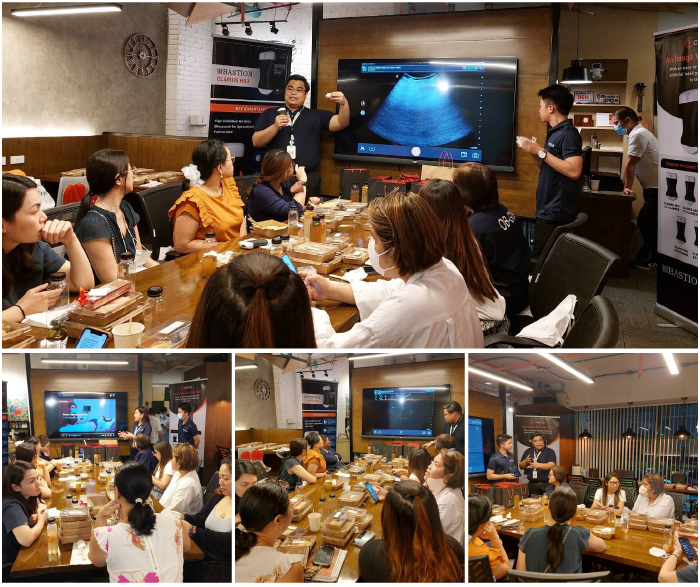
This urgency was at the center of a recent session hosted by OSAC Philippines in partnership with the Security and Disaster Resources Group (SDRG) of the American Chamber of Commerce of the Philippines. The gathering focused on one central theme: Getting Ready for Crisis: Today’s Best Practices in Computer-Assisted BCP and Crisis Management Exercises.
Executives, crisis managers, and security professionals gathered to confront a shared challenge: How can organizations really stay prepared in today’s fast-moving risk landscape?


The Shift from Static to Simulated: Why Computer-Assisted Exercises Are Raising the Bar
Manual tabletop exercises remain a valuable tool in crisis preparedness, helping leadership teams walk through critical decisions and identify gaps in response plans especially when guided by skilled facilitators.
However, traditional formats often fall short in simulating the speed and complexity of real crises. Computer-assisted tabletop exercises address this by providing dynamic, real-time scenarios that mimic actual crisis, allowing teams regardless of location to respond, communicate, and adapt under pressure.
Tools like the Bastion Crisis Resiliency Service reflect this shift. As a computer-assisted simulation platform, it enables organizations to model a wide range of simulation scenarios, record real-time decisions, and generate detailed analytics to improve future response. It’s one of several evolving tools that demonstrate how technology is being leveraged to modernize and improve preparedness.
From Insight to Action: Strengthening Crisis Response with Real Data
The transparency provided by digital simulations is a game-changer. Organizations can now build a performance baseline that enables targeted improvement, accountability, and faster coordination. It also enables executives to mentor teams, update outdated procedures, and make data-informed decisions on resource allocation. More importantly, it allows teams to rehearse failure so they can perform confidently when the stakes are real.
Still, not every organization is immediately ready to jump into AI-assisted simulations. In such cases, structured and well-facilitated manual tabletop exercises remain a critical stepping stone.
Readiness Is the New Resilience
One resounding insight emerged from the OSAC-SDRG session: crisis management must evolve from static planning into active capability. Readiness isn’t defined by the existence of a plan—it’s defined by an organization’s ability to use that plan effectively under pressure.
The available tools exist to test, improve, and optimize crisis response before disruption becomes a headline. From manual tabletop drills to advanced platforms like the Bastion Crisis Resiliency Service, solutions are enabled to help businesses turn theory into practiced capability. With the ability to simulate and respond to crisis more effectively, business can build a culture of readiness that supports resilience at every level of organization.
If your organization is looking to explore or improve its crisis preparedness program, we’re here to support you. To learn more about how we can help, feel free to reach out to our team.
Let’s Talk, If you want to explore how Bastion Inc. can help secure your organization with proactive, modern cybersecurity like Cyber 2.0—let’s connect.
📩 Send us a message or visit www.bastion.inc for more details.
📰 Stay informed in today’s fast-moving digital world—You can join our Viber community by clicking the link or scanning the QR code below!
https://tinyurl.com/BASTIONCYBERCONNECT
References
Continuity Insights. (2023). Business Continuity & Resilience Benchmark Study. https://continuityinsights.com/continuity-insights-2023-the-urgent-need-for-business-continuity-plans/
World Economic Forum. (2024). Global Risks Report. https://www.weforum.org/reports/global-risks-report-2024
IT Chronicles. (2025). Business Continuity Best Practices. https://itchronicles.com/business-continuity/business-continuity-best-practices/