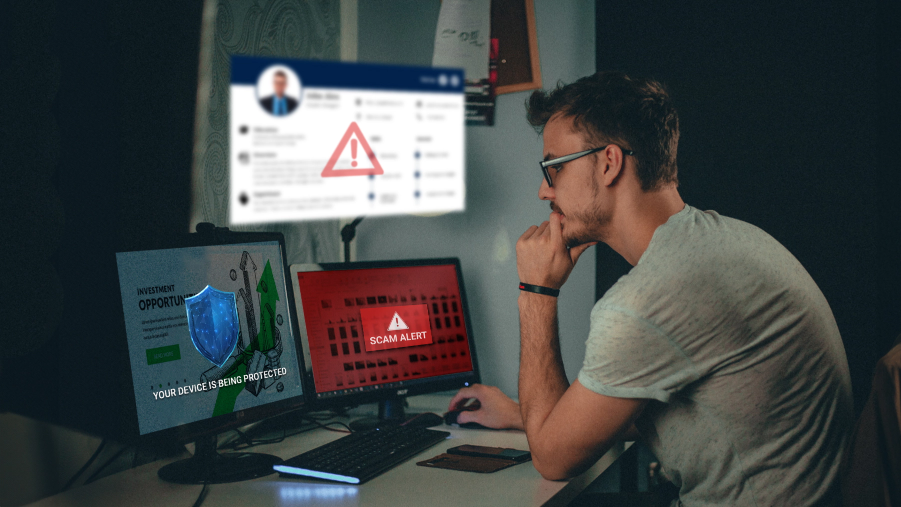
As our world becomes more connected and dependent on digital technology, cybersecurity threats are evolving just as rapidly. One of the most common and dangerous threats to individuals and businesses is phishing. Phishing is a type of cybercrime where scammers attempt to steal personal or business information by pretending to be a legitimate entity. Phishing scams often come in the form of fraudulent emails, text messages, or websites designed to look like they’re from reputable organizations such as banks, social media platforms, or even your own employer. These scams can lead to serious consequences, such as identity theft, financial loss, or unauthorized access to personal accounts or systems.
A 2023 study conducted by Fair Isaac Corporation (FICO) on trends in authorized push payment (APP) fraud and real-time payments in the Philippines, which surveyed 1,001 adults, revealed concerning insights. According to the report, 82% of Filipinos received scam messages or calls, and 61% said their friends or family were affected. Despite this, only 26% reported financial losses to banks. In a separate finding, 25% had made real-time payments for goods or services they never received. These findings highlight the growing risks associated with real-time payments and the need for stronger fraud prevention measures.
5 Most Common Types of Phishing Attacks
Email Phishing
Cybercriminals often send mass emails disguised as trusted brands or banks, using fake domain names to trick recipients. Kaspersky reports that the Philippines leads Southeast Asia in phishing emails targeting online payment systems, driven by the rise of e-commerce in sectors like beauty and electronics.Spear Phishing
Spear Phishing targets specific individuals or organizations using personal details to create convincing emails that trick victims into actions like transferring money. Cybersecurity firm Trend Micro announced that they have uncovered a global spear-phishing campaign by a China-based threat actor, with a higher focus on Asia Pacific countries such as the Philippines.Whaling
This attack targets high-level executives or individuals in positions of authority. Attackers use publicly available information to create highly convincing emails, making it easier to deceive these high-profile targets into falling for scams. In February 2016, Snapchat was hit by a whaling attack where a scammer, posing as CEO Evan Spiegel, tricked an HR employee into sharing payroll data. Upon discovery of the scam, Snapchat confirmed that the attack was indeed a whaling attack and reported it to the FBI.Smishing and Vishing
These phishing methods use phones. Smishing involves sending fake SMS messages, while vishing uses phone calls. Attackers often pose as representatives of trusted institutions, like banks, claiming an account issue or suspicious activity. According to survey data from Statista, 43% of consumers said they had been targeted by SMShing messages in the fourth quarter of 2023.Anger Phishing
In this attack, Cybercriminals create fake social media profiles that look almost identical to those of legitimate companies. The goal is to deceive users into believing they are interacting with a real organization, making them more likely to fall for the scam. A survey indicated that there was an 1100% rise in fraudulent social media brand profiles between 2014 and 2016, including well-known brands such as Amazon, Nike and Samsung (Fraudwatch, 2017).
Tips to Avoid Phishing Scams
To help yourself from falling victim to these scams, it is important to understand how phishing works and learn how to identify the warning signs. Here’s how you can avoid phishing scams and safeguard your digital presence, incorporating Cyber 2.0:
Verify the Source:
Always confirm the authenticity of unexpected emails asking for personal information by contacting the organization directly.Be Cautious with Links:
Avoid clicking on suspicious links. Instead, type the company’s official web address directly into your browser.Enable Two-Factor Authentication (2FA):
Two-factor authentication adds an extra security layer to your accounts, making it harder for attackers to gain access even if they have your login credentials.Regularly Update Software:
Keep your systems, browsers, and security software up to date. Cybercriminals often target outdated software for phishing attacks.Report Phishing Attacks:
Report suspicious emails to your email provider, your company's IT department, or the impersonated organization. This helps protect others and disrupts scammers’ activities.Stay Informed:
Stay updated on the latest threats by subscribing to cybersecurity newsletters or blogs from trusted sources, including insights from Cyber 2.0.
By implementing these strategies, and installing Managed Endpoint Detection Response (MEDR) tools such as Bastion Cyber 2.0, you can significantly enhance your defenses against phishing attacks.
How Bastion Cyber 2.0 Helps You Avoid Phishing Scams
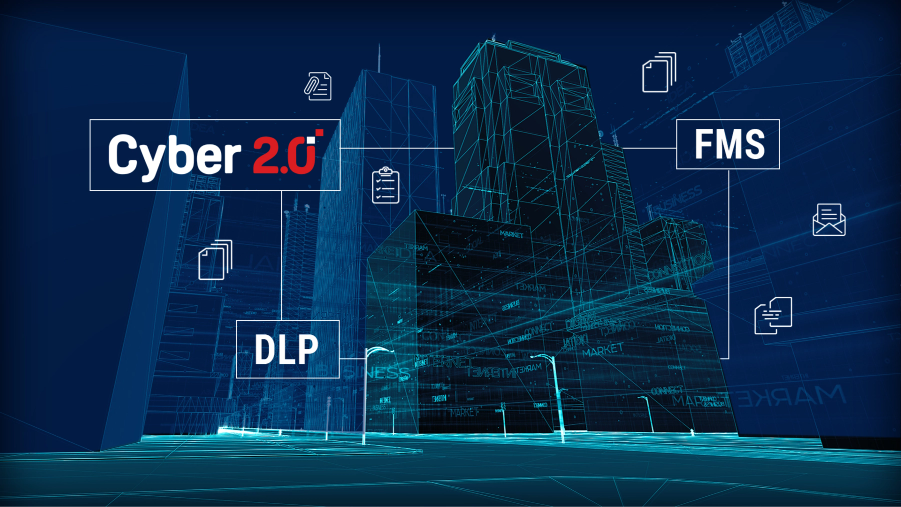
Bastion Cyber 2.0 is a comprehensive cybersecurity platform that provides multiple layers of protection against phishing attacks. Here’s how it can help you safeguard your digital presence:
Real-Time Threat Detection
Bastion Cyber 2.0 can identify and block phishing threats before it can reach you. This proactive defense system ensures that you’re protected from even the most sophisticated phishing attacks.Unified Scrambling
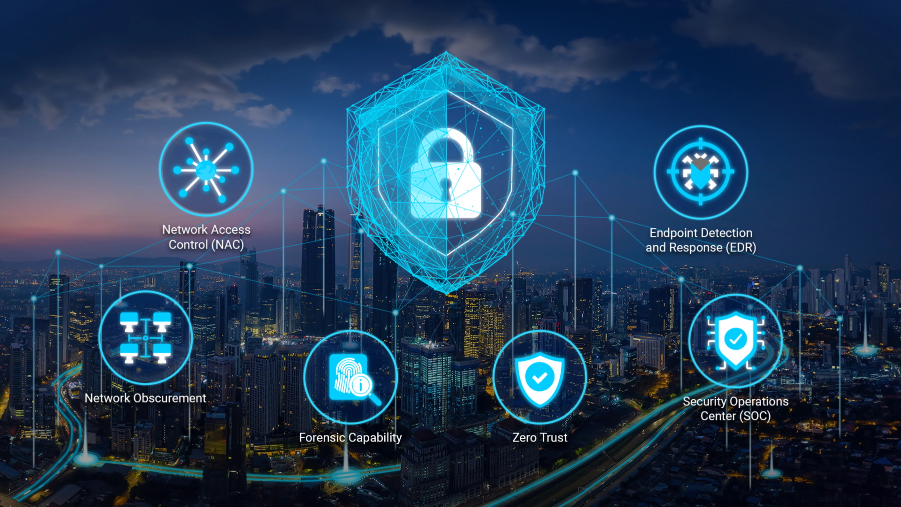
Cyber 2.0's networking scrambling model works by randomizing network activities and traffic within an organization’s systems, creating a constantly changing environment. This prevents attackers from gaining a clear picture of how the network operates or where potential vulnerabilities might exist.Zero Trust Technology
This ensures that even if a phishing attack tricks a user into downloading malicious software, it won’t run on the network, since it only allows marked and authorized applications. Cyber 2.0 reduces the risk of phishing-related malware, providing an additional layer of protection against these sophisticated attacks.Mathematical Chaos Model
This patented system scrambles network access, making it nearly impossible for attackers to find a reliable entry point, especially against phishing attacks. By continuously changing access methods, it adds a crucial layer of security that complicates the exploitation of stolen credentials, significantly reducing the risk of unauthorized access and protecting sensitive information.
Phishing attacks are a serious threat to individuals and organizations, but Bastion Cyber 2.0 can help strengthen your defenses and reduce vulnerability. By using Bastion Cyber 2.0, you protect your digital assets and improve your overall cybersecurity posture, creating a safer online environment. Its robust security framework safeguards sensitive information while promoting a more secure digital environment for organizations and individuals.
To know more about Bastion Cyber 2.0, feel free to reach out via email at bastion.sales@paybps.com or call us at +63 (2) 8539 5100/+63 (2) 8844 7825.
References
- https://cyber20.com/
- https://www.lepide.com/blog/10-ways-to-prevent-phishing-attacks/
- https://www.checkpoint.com/cyber-hub/threat-prevention/what-is-phishing/
- https://www.bworldonline.com/banking-finance/2024/05/22/596548/filipinos-worry-about-falling-for-financial-scams-study/#:~:text=FICO%20cited%20a%202023%20study,61%25%20surveyed%20said%20that%20their
- https://asianews.network/ph-among-top-phishing-email-targets-in-southeast-asia/
- https://www.bworldonline.com/technology/2023/09/21/546783/philippines-hit-by-most-cyberattacks-in-southeast-asia/
- https://developingtelecoms.com/telecom-technology/cyber-security/16571-smart-warns-of-rise-in-smshing-to-hijack-social-media-profiles.html
- https://easydmarc.com/blog/what-is-angler-phishing-and-how-can-you-avoid-it/#:~:text=A%20good%20example%20of%20an,care%20agent%20and%20offering%20assistance.
- https://www.techmonitor.ai/hardware/data-centres/snapchat-falls-hook-line-sinker-in-phishing-attack-employee-data-leaked-after-ceo-email-scam-4824852
- https://www.rappler.com/technology/china-hackers-earth-preta-target-asia-pacific-philippines-spear-phishing-campaign/
- https://books.google.com.ph/books?hl=en&lr=&id=b09mDwAAQBAJ&oi=fnd&pg=PA190&dq=Angler+Phishing&ots=Am2zGirCza&sig=cbY5pvlx53VwuZzb2r_FzMM_LNo&redir_esc=y#v=onepage&q=Angler%20Phishing&f=false