Cybersecurity teams are under pressure. Rising attack volumes, complex threats, and limited personnel make manual response nearly impossible. That’s why SOAR (Security Orchestration, Automation, and Response) has become an industry standard for streamlining operations.
But while SOAR improves efficiency, its success still depends on what happens after a threat is detected. And in today’s fast-moving threat landscape, “after” may be too late.
The Problem: Reactive Systems in a Proactive Threat Environment
SOAR platforms are designed to:
- Centralize visibility
- Integrate existing tools
- Automate repetitive tasks
They bring speed and structure to incident response—but they rely heavily on alerts, detection tools, and human-created playbooks. That’s a limitation in a world of:
- Zero-day exploits
- AI-generated phishing campaigns
- Fileless malware and polymorphic code
What if an attacker bypasses your detection engine? What if the threat is unknown and not yet cataloged? What if the breach spreads laterally within seconds?
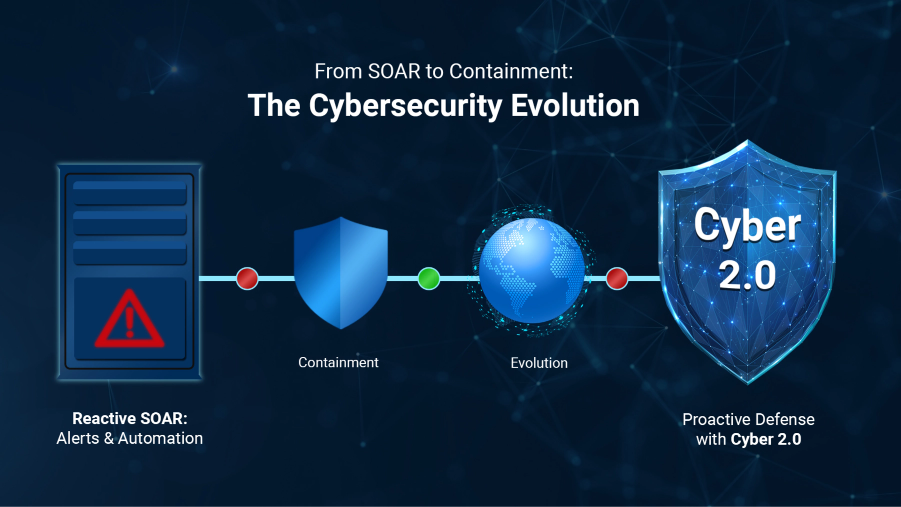
The Shift: From Detection to Containment
There’s a growing need to stop attacks before they spread—even if the detection system hasn’t caught them yet.
That’s why a new approach is gaining traction: proactive containment. This means isolating malicious activity at the endpoint level, in real time, with or without detection from other systems.
Containment-first tools don’t replace SOAR. They reinforce it. They give security teams breathing room by limiting damage, reducing alert volumes, and preventing escalation before automation even begins.
How Containment Complements SOAR
Solutions built on containment principles bring:
- Autonomous response: Block malware without needing predefined rules
- Zero trust enforcement: Every connection and movement is verified
- Isolation capabilities: Lock down compromised devices instantly
- Reduced alert fatigue: Prevent threats from escalating to incidents
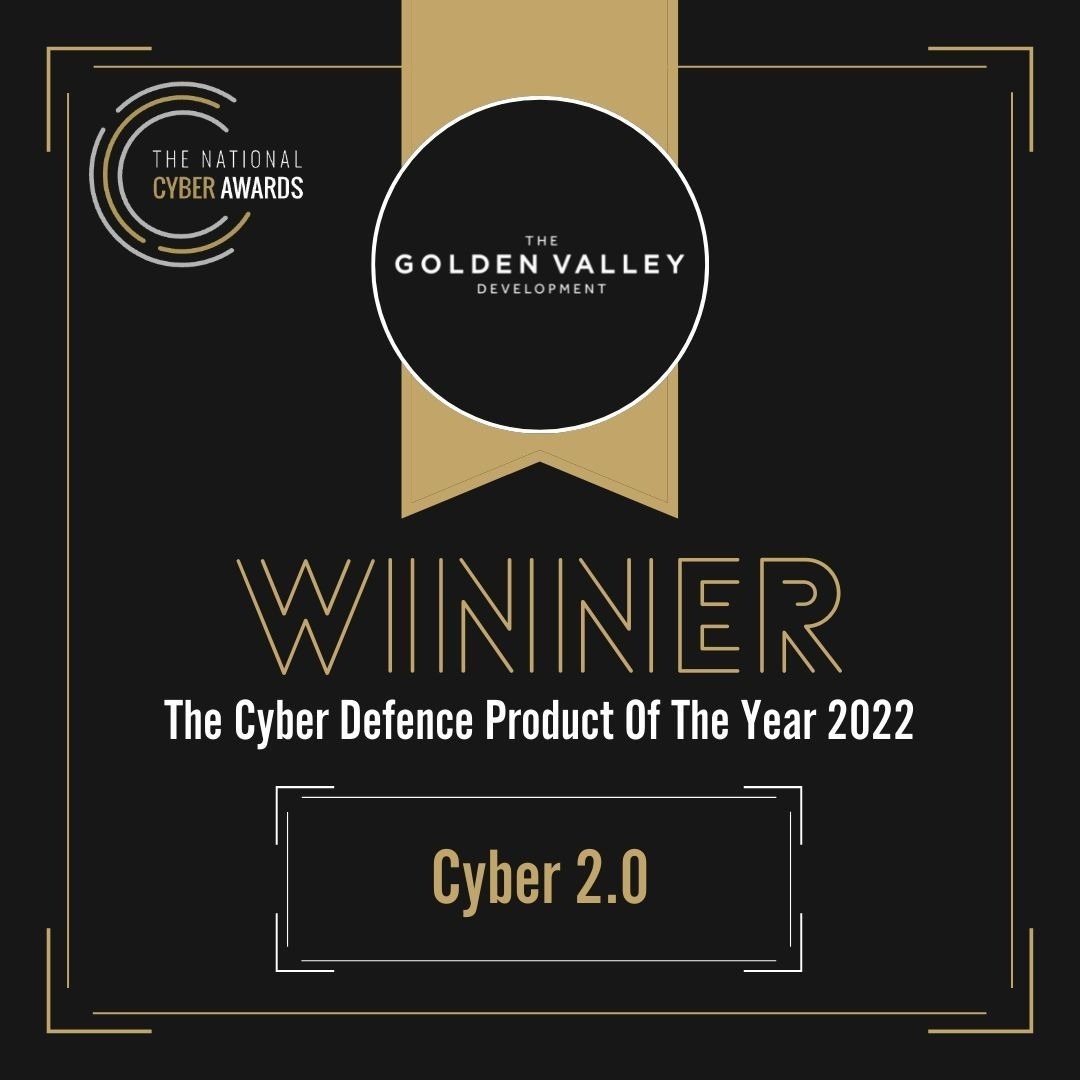
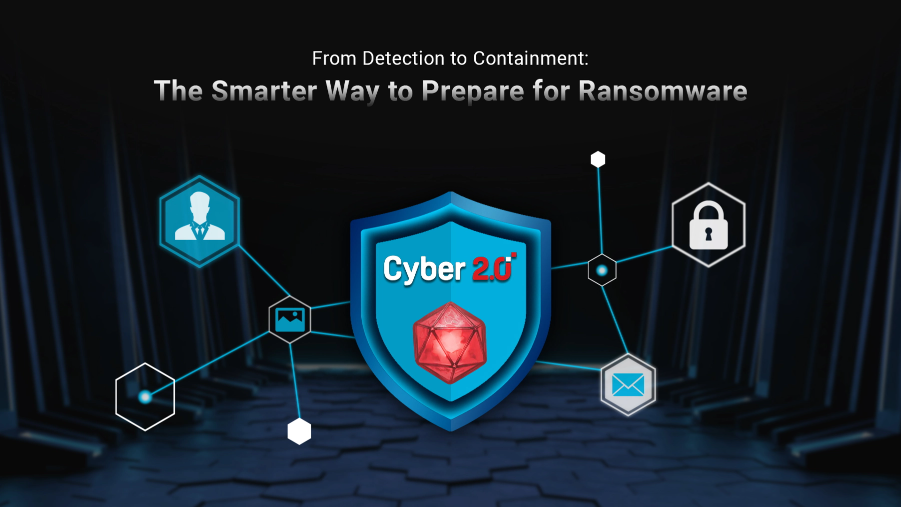
Platforms like Cyber 2.0, for example, are using behavioral models to stop lateral movement within a network—even when the payload is unknown or evasive. This aligns perfectly with the goals of AI-driven security strategies.
The Future of Incident Response: Orchestration + Containment
If SOAR is the brain of your security operations, then containment is the reflex. It’s the ability to act before thinking is even complete.
Combining these two strategies—orchestration to coordinate and containment to constrain—builds a stronger, smarter, and more resilient cybersecurity posture.
Final Thought
As threats become faster, stealthier, and more automated, our defenses must do the same. Containment-driven security gives teams a proactive edge—not just reacting to threats, but staying ahead of them.
Let’s Talk, If you want to explore how Bastion Inc. can help secure your organization with proactive, modern cybersecurity like Cyber 2.0—let’s connect.
📩 Send us a message or visit www.bastion.inc for more details.
📰 Stay informed in today’s fast-moving digital world—You can join our Viber community by clicking the link or scanning the QR code below!
https://tinyurl.com/BASTIONCYBERCONNECT

References
Brenner, B. (2025, March 19). The evolution of SOAR: From legacy to next-gen platforms. SC Media https://www.scworld.com/resource/the-evolution-of-soar-from-legacy-to-next-gen-platforms
Check Point Software Technologies Ltd. (2022, March 18). SOAR security - What is security orchestration, automation, and response? Check Point Cyber Hub. https://www.checkpoint.com/cyber-hub/threat-prevention/soar-security-what-is-security-orchestration-automation-and-response/
Cyber 2.0. (n.d.). Cyber 2.0: Unstoppable cybersecurity solutions for IT, OT, and connected cars – Complete defense against cyber threats.
https://cyber20.com/Illumio. (2025, April 25). Top cybersecurity news stories from April 2025. Illumio Cybersecurity Blog. https://www.illumio.com/blog/top-cybersecurity-news-stories-from-april-2025
Portnox. (2024, December 21). 8 ways to improve threat containment in 2025. Portnox Blog. https://www.portnox.com/blog/network-security/8-ways-to-improve-threat-containment-in-2025/
ProLion. (2024, August 29). Ransomware containment: What it is and why it matters. ProLion Blog. https://prolion.com/blog/ransomware-containment/