Technology has profoundly enriched our lives across diverse spheres and contexts. With each passing day, we witness the advent of novel devices tailored to enhance efficiency, convenience, and safety in various aspects of our daily endeavors.
When it comes to the medical and healthcare industry, before the technological developments, the only way for doctors to diagnose a patient was to predict diseases, making it more difficult for them diagnose it more accurately. Today, medical consultations and procedures have become reliant on technology.
Today’s technology and devices allow physicians to monitor their patients easily. Many hospitals and other healthcare facilities around the world use more than 500,000 devices and equipment that help diagnose illnesses or problems with a patient's heart function, brain activity, or nervous system. It has indeed become easier for physicians in the field to diagnose a patient's problem or disease and prescribe an effective treatment.
Medical technology has its own drawbacks, too. Let’s discover its disadvantages and advantages:
Disadvantages of Technology in Healthcare
Rising Cost of Patient Treatment
One of the drawbacks of medical technology is the high cost of treatment. Many medical procedures rely on technology, such as robotic surgery. Other kinds of surgeries using technological machinery can be very expensive too. Most patients live in rural areas and costly surgeries are out of reach for them. However, healthcare has also improved because of these technologies; more people are able to receive necessary treatments faster than ever before.Display Inaccurate Patient Condition Results
One downside of medical technology is the occasional occurrence of malfunctions, leading to inaccurate readings. Such errors can significantly impact patient care, potentially leading to misdiagnosis by healthcare providers and posing risks through improper medication or treatment.Patient Information Breach
Privacy concerns present a notable challenge in the realm of medical technology. While hospitals uphold laws safeguarding patient confidentiality, technological vulnerabilities can compromise these protections. Instances of hacking into hospital computer databases pose a significant risk, potentially resulting in the unauthorized disclosure of sensitive patient information.Delays in Medical Equipment Repair
Engineers and scientists play a critical role in designing the machines and gadgets utilized in hospitals for patient treatments. However, when faults or errors arise, these experts, despite their expertise, are tasked to resolve these issues that often require a considerable amount of time. This leads to delays in machine repair.Patients’ Online Treatment
Doctors now offer online consultations, allowing patients to seek medical advice remotely. However, this approach may present risks, as the doctor conducts diagnoses without physically examining the patient. Such decisions can be inaccurate and potentially harmful to the patient's health.
Despite these drawbacks, technological advancements in the medical industry offer significant advantages that no doctor or medical institution can deny are beneficial.
Advantages of Technology in Healthcare
Reliable Hospital Communication Systems
Patients can easily reach out to their doctors or nurses through a variety of devices, including digital ones strategically placed in patient rooms or wards. These digital devices enable patients to quickly contact medical staff in case of emergencies, ensuring timely assistance and potentially life-saving interventions.Enhanced Healthcare in Technology
The medical field harnesses a vast pool of technological devices to elevate the standard of patient healthcare. Cutting-edge medical equipment, including portable defibrillators, drug management systems, magnetic resonance imaging machines, and electronic intravenous monitors, exemplify the remarkable advancements shaping the industry.Computerized Patient Medical Records From Hospitals
Electronic storage plays a pivotal role in the management of patient health records. Hospitals and specialists alike maintain thorough electronic copies of patient information, utilizing databases or cloud servers for streamlined data access. Unlike traditional paper records, electronic storage allows for rapid retrieval of patient data, ensuring that accurate information is readily available at all times. This modern approach not only saves time but also enhances the efficiency and reliability of healthcare information management.
Bastion, Inc. and Medical Technology
Medical technology is a vast and ever-evolving field, and at Bastion, Inc., innovation is central to our mission. We continuously strive for excellence, delivering world-class products and services in Payments, Cybersecurity, and Future Technology. Committed to pushing boundaries, we explore the latest technologies to enhance customer experiences and provide top-tier services.
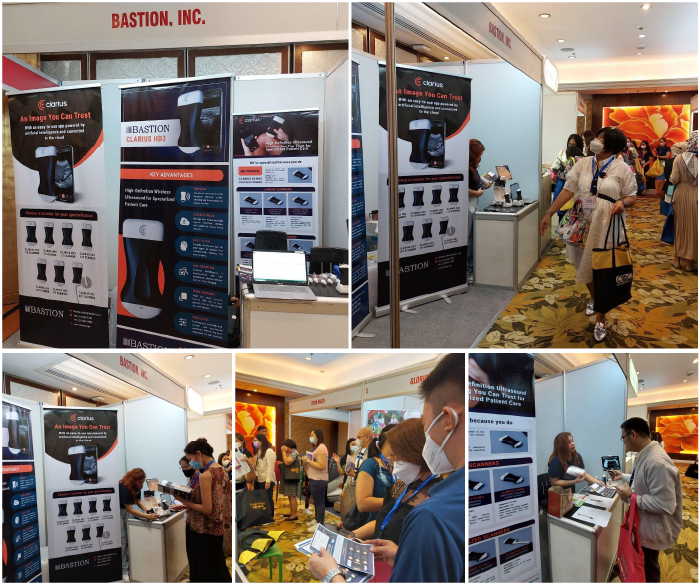
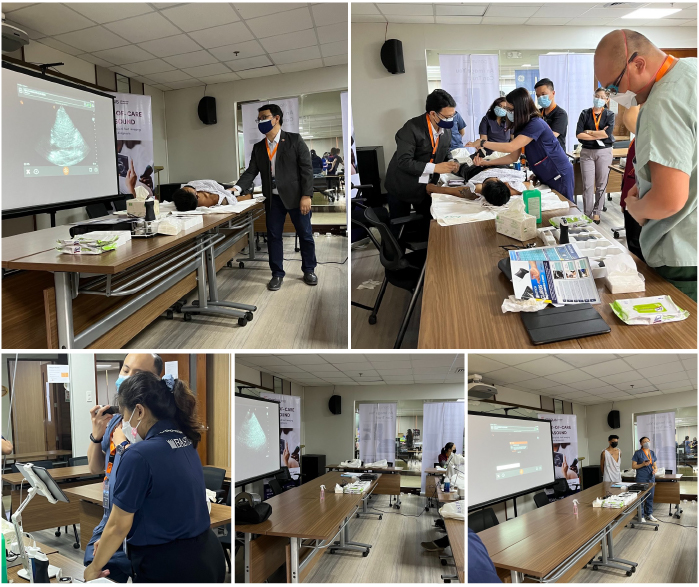
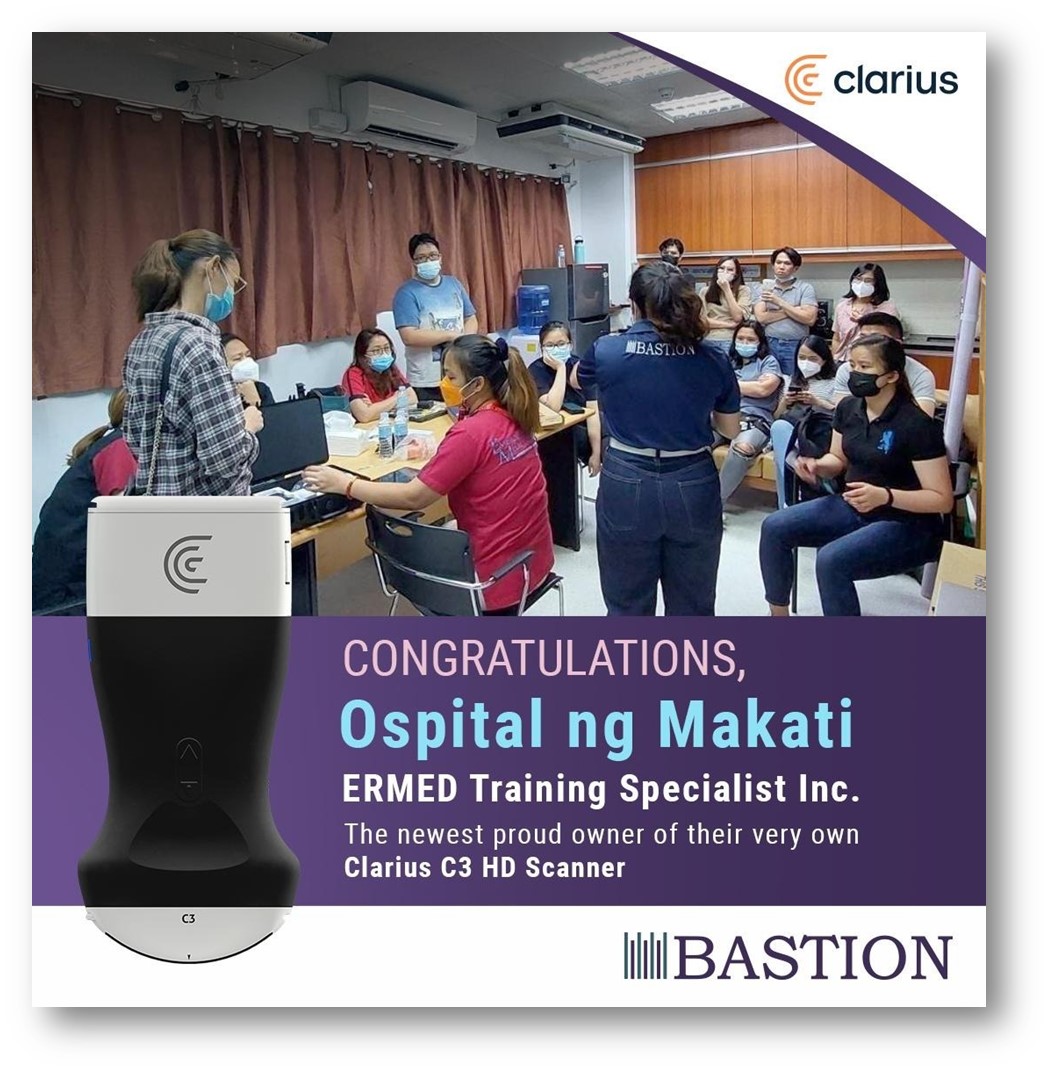
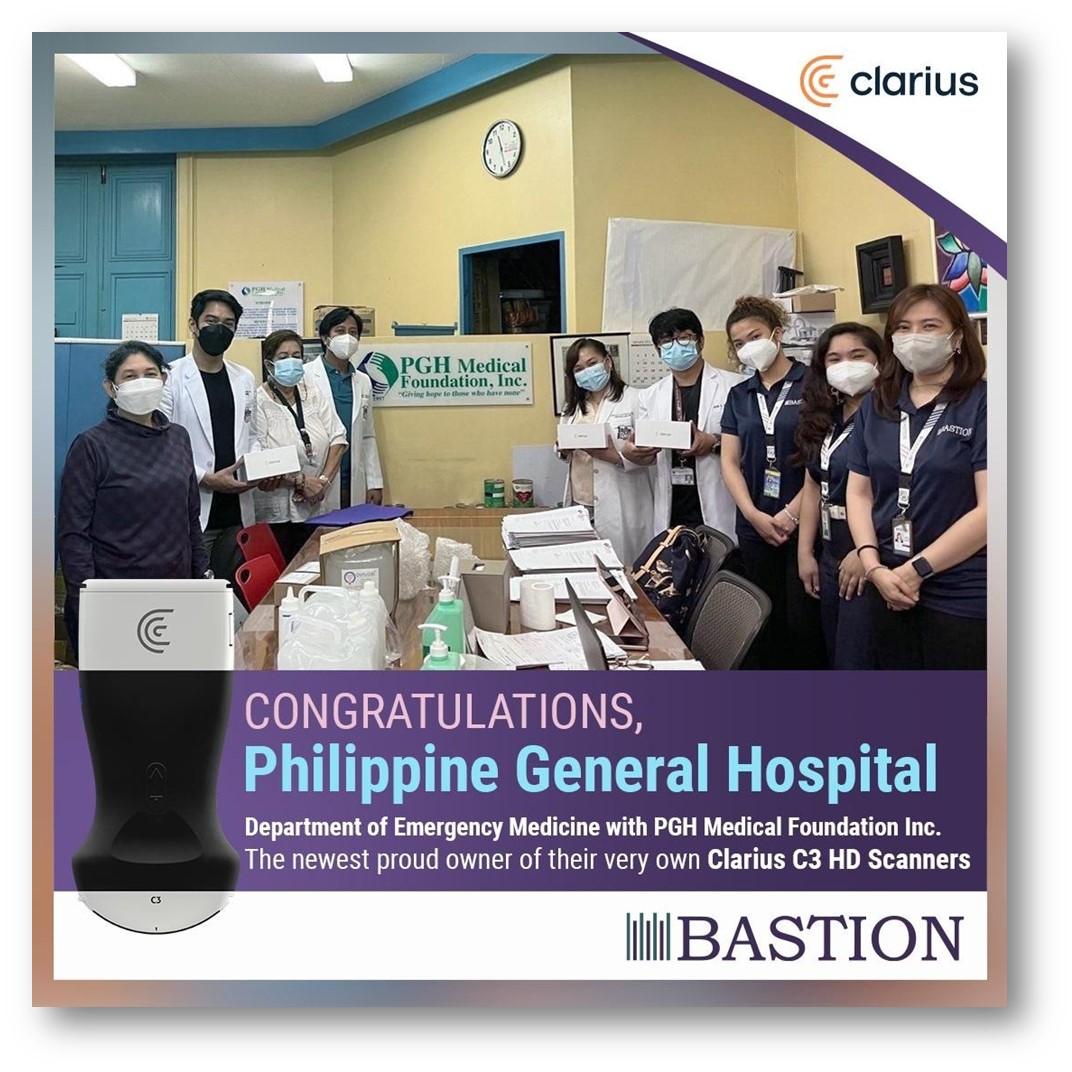
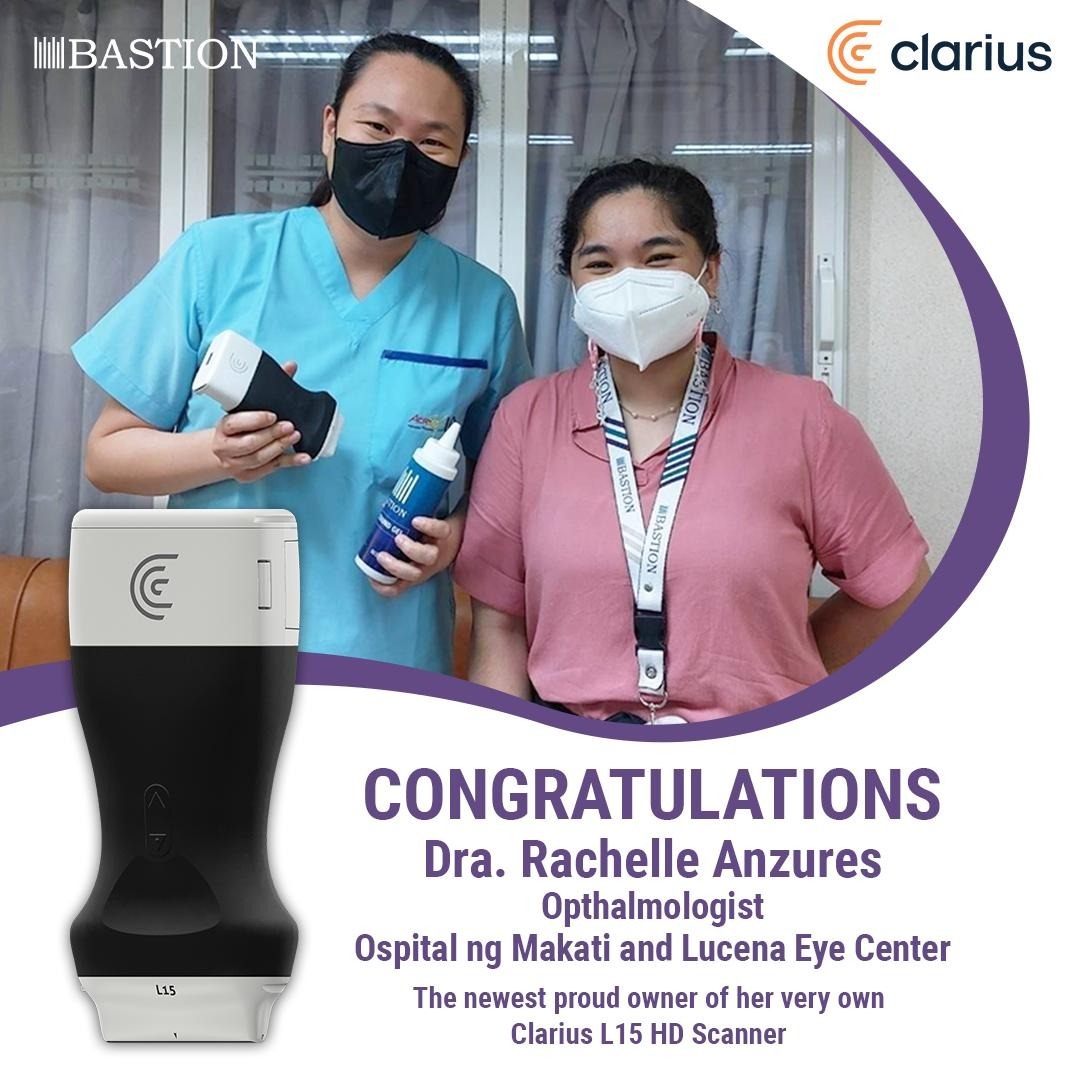
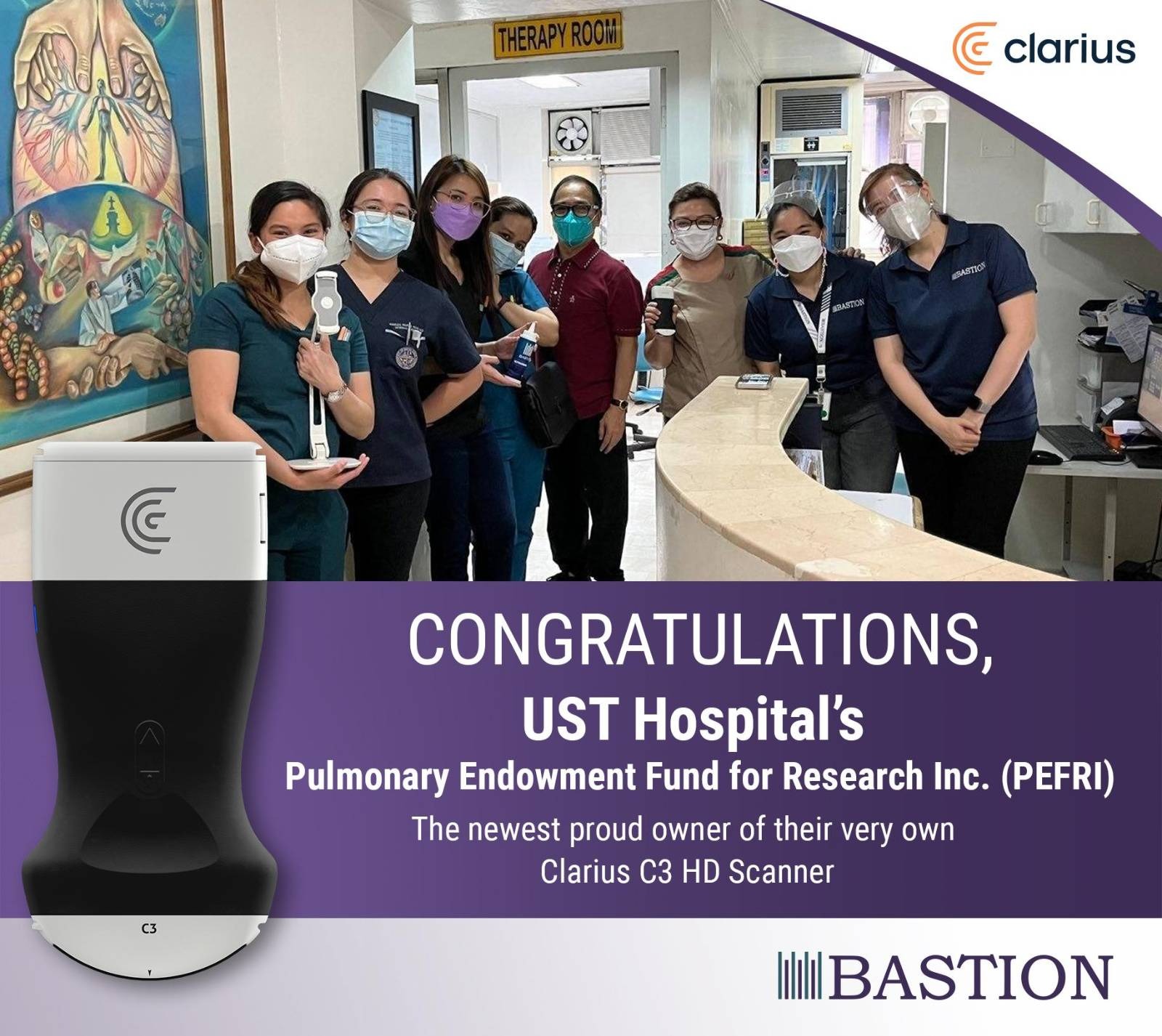
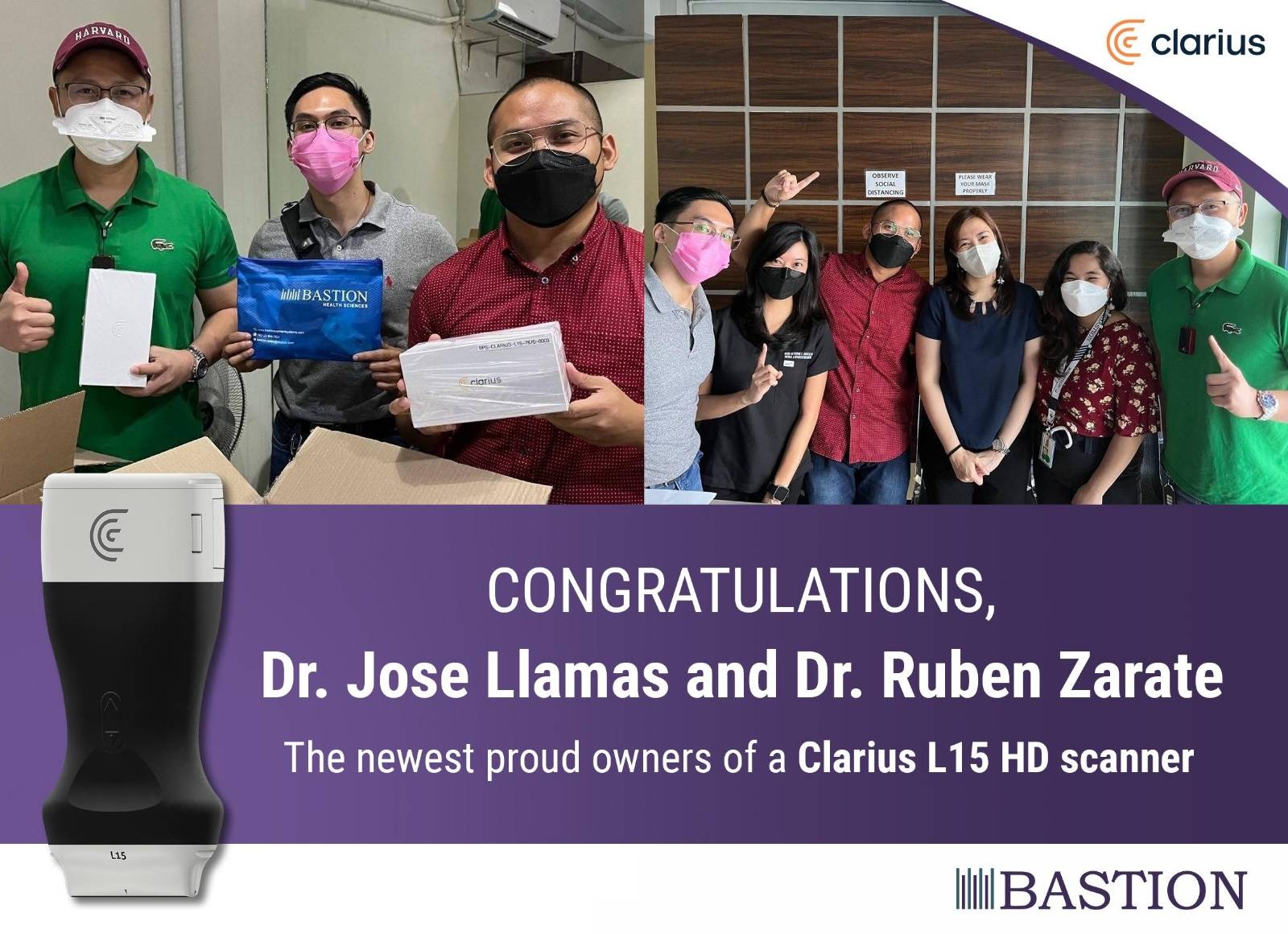
For this reason, we further diversified our offerings and developed our Health Sciences Division, focused on delivering the latest medical technology and optimum quality healthcare products. We partnered with Clarius Mobile Health, and now offer Clarius Wireless Handheld Ultrasound Scanners here in the Philippines.
Clarius HD3 is a wireless, handheld ultrasound scanner that provides high-definition imaging to identify anatomy, diagnose pathology, and guide procedures in real-time at the bedside. Leveraging artificial intelligence, 192 piezoelectric elements, and eight beamformers, the Clarius HD3 delivers exceptional image quality comparable to cart-based systems used in hospitals.
This state-of-the-art ultrasound device offers specialized presets, customizable workflows, and automatic image optimization for a seamless and user-friendly experience. It also includes advanced tools such as voice control, eFAST preset, T-Mode AI, annotations, pictograms, measuring instruments to aid doctors in accurately diagnosing patients' conditions.
Embracing the future of wireless technology, the Clarius HD3 ensures reliable connectivity to iOS and Android devices via direct Wi-Fi, providing users with the freedom to perform scans anywhere without the hassle of ports or cables. Additionally, Clarius HD3 is now smaller and lighter than previous models, enhancing portability and convenience for medical professionals. Enjoy the freedom to scan anywhere with the Clarius HD3.
If you’re interested, you can learn about it by checking out our Clarius Microsite: https://www.bastionpaymentsystems.com/Clarius. For any inquiries, you can message our Facebook Page at https://www.facebook.com/bastionpaymentsystems/, email us at bastion.sales@paybps.com or contact us at 8844-7875.
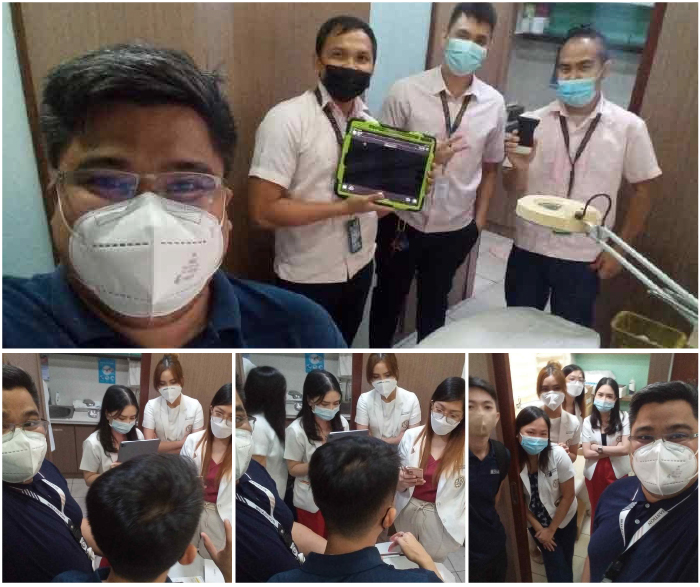
We hope to see you and your prestigious institution join the other medical societies, hospitals, and individual doctors in the Philippines and around the globe that have adopted the Clarius product platform for delivering the most modern, high definition, point of care ultrasound imaging direct to patients at their bedside.
We look forward to being your partner in shifting to the latest in wireless point of care ultrasound technology!